

The Secret to Creating a Menu That Fits Every Type of Event
Planning the perfect menu for any event isn’t just about choosing dishes; it’s about creating an experience your guests will remember long after the last bite. From intimate gatherings to large celebrations, food often becomes the centerpiece that brings people together, sets the tone, and reflects the occasion's purpose. A well-thought-out menu balances flavor, variety, and presentation while considering guest preferences, dietary needs, and the event's overall vibe.
Whether you’re hosting a formal dinner, a casual party, or a corporate function, thoughtful menu planning ensures everything flows seamlessly. With the right approach, you can design a menu that not only satisfies appetites but also enhances the entire event experience.
Why a One-Size-Fits-All Menu Never Works
A standard menu might feel like the safe option. It rarely holds up.
Each event has its own pace and purpose. A wedding reception moves differently from a corporate lunch. A private party has a different energy than a formal gathering.
When the same menu gets used across all of them, the disconnect shows. The food might be fine on its own, but it doesn’t fit the setting. That’s what people pick up on.
Menus need to match the moment. Without that, the experience feels flat.
Start With the Event Type, Not Just the Food
The structure of the event should guide every menu decision.
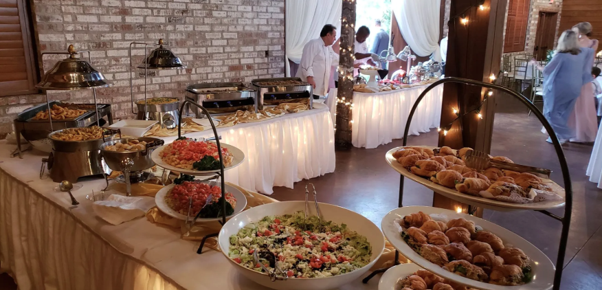
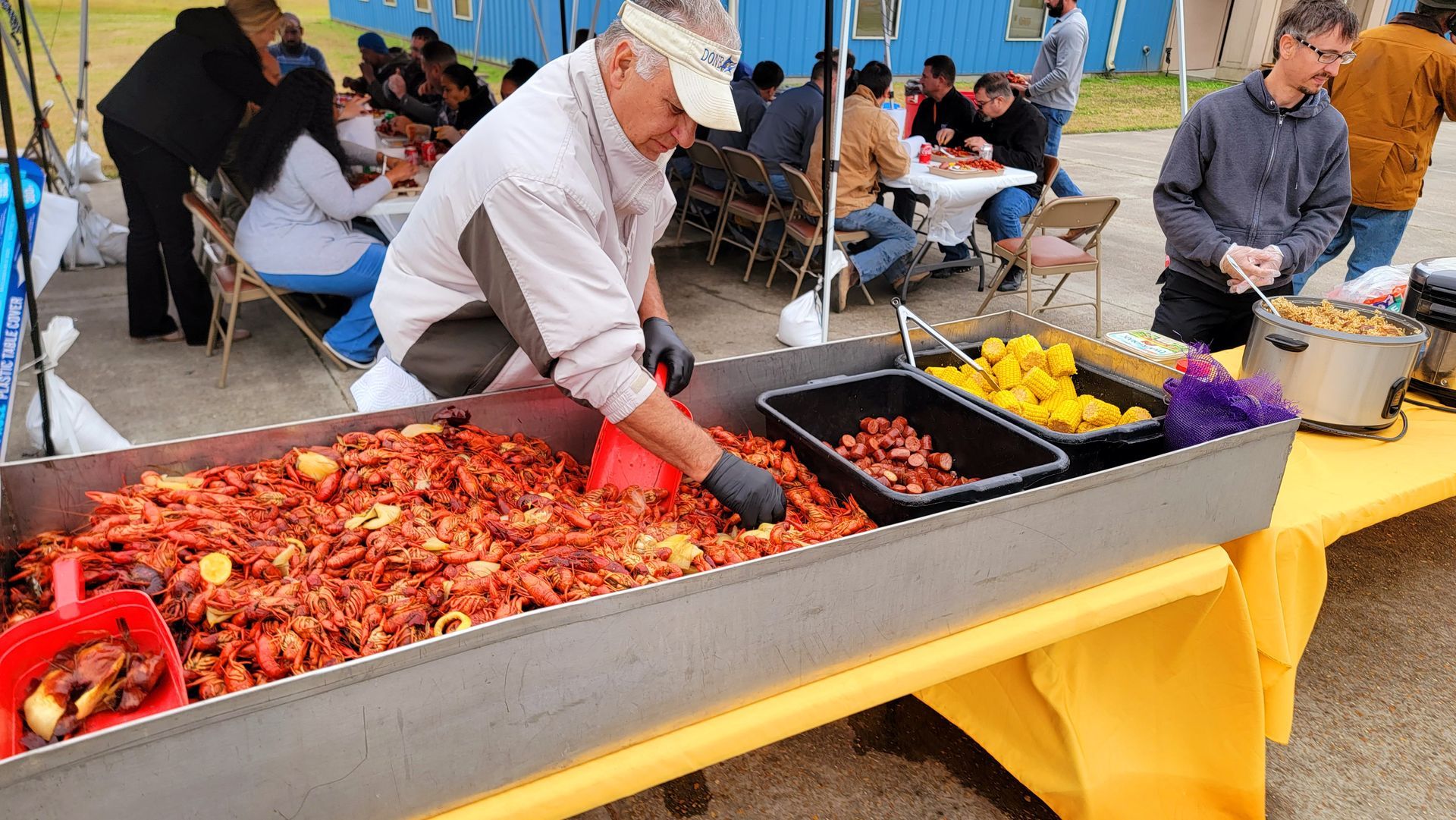
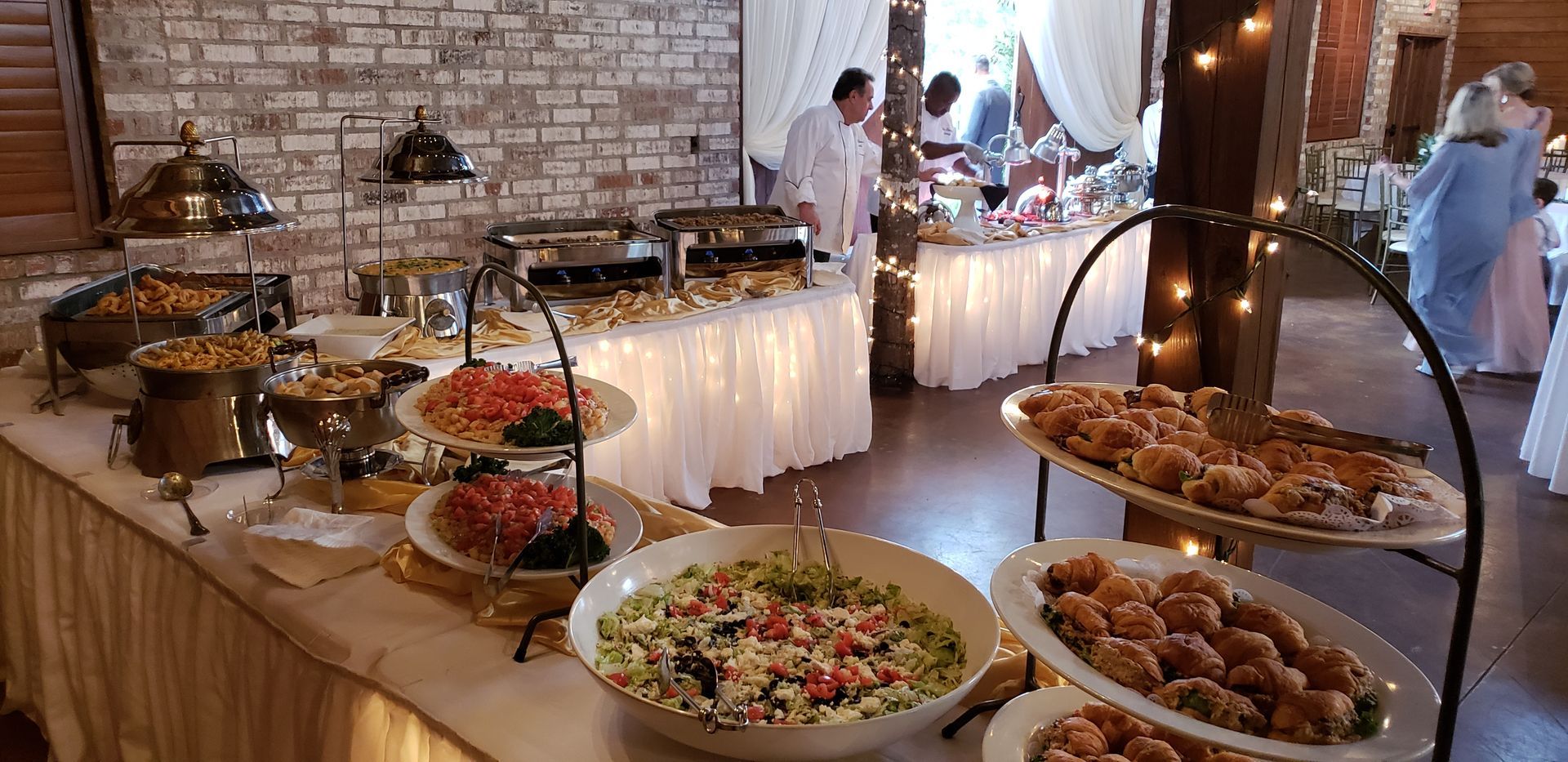
Formal events rely on timing. Courses need to flow. Service needs to stay controlled. Casual events allow more movement. Guests come and go, eat at their own pace, and expect flexibility.
If the service style and the menu don’t align, things slow down or feel awkward. Lines build up. Food sits too long. Guests aren’t sure how to move through the space.
Starting with the event type removes that confusion. It sets the direction early and keeps the rest of the decisions grounded.
Understanding Your Guest List Changes Everything
The guest list shapes the menu more than anything else. Different groups respond differently to the same food. Age, preferences, and expectations all play a role. A menu that works for one crowd can fall flat with another.
When the guest list is mixed, the menu needs to range. Not excessive options, but enough to cover different tastes without losing focus.
In an area where food in Mandeville, Louisiana, carries a reputation, guests tend to notice quality and variety. They expect the food to feel considered, not random. Planning without that in mind leads to a menu that looks fine but doesn’t land.
Balancing Variety, Presentation, and Practicality
More options don’t always improve the experience.
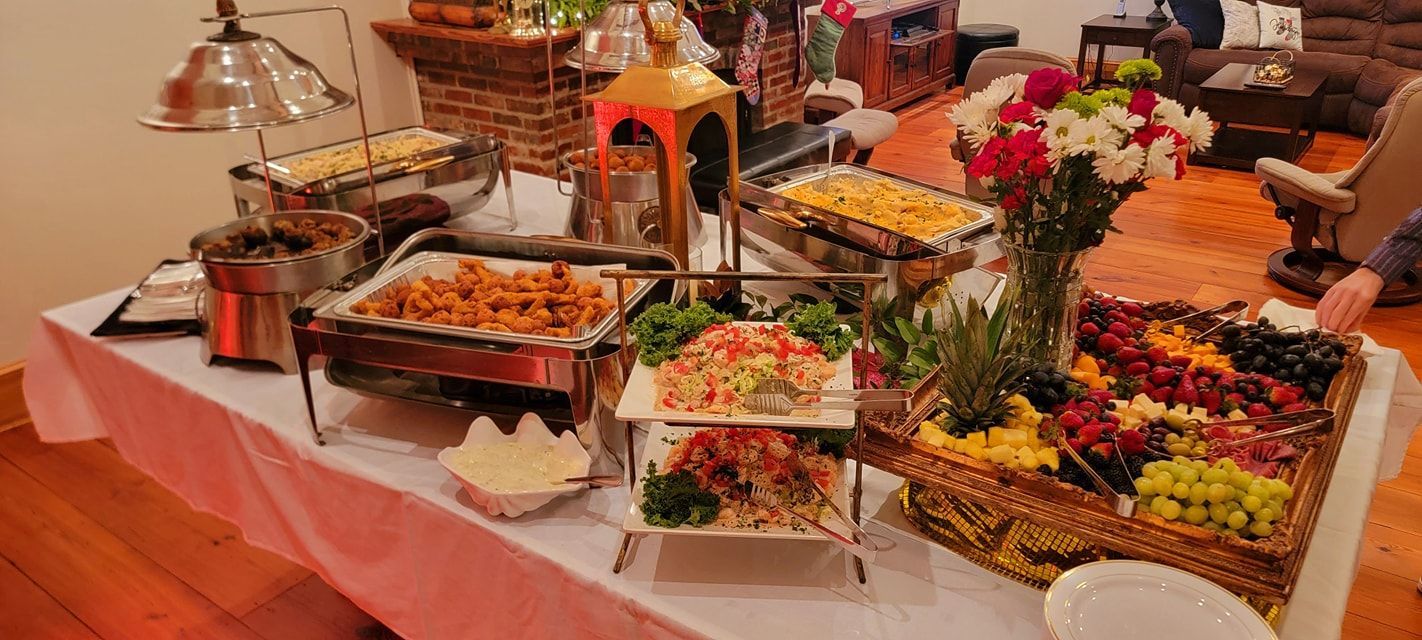
Too many dishes can slow service and stretch resources. Too few can leave gaps. The right balance depends on the event size and format. Presentation matters, but it can’t get in the way of function. Food needs to be easy to serve and easy to eat. If it complicates the flow, it becomes a problem during the event.
Practicality often gets ignored early on. It shows up later in delays and uneven service.
When variety, presentation, and practicality are aligned, the event moves smoothly. Guests don’t have to think about the food; they just enjoy it.
Common Menu Planning Mistakes That Affect the Entire Experience
Most issues come from small decisions. Choosing items that don’t hold well over time. Leaving dietary needs until the last minute. Misjudging quantity and ending up short or with too much waste.
Another issue is trying to manage everything on your own. It seems manageable early on, but as details stack up, things start to slip.
Professional catering reduces that risk. Not because it changes the food completely, but because it brings structure and experience into the process.
In places where food in Mandeville, Louisiana, is part of the culture, the difference between average and well-executed is easy to notice.
Conclusion
A strong menu doesn’t draw attention for the wrong reasons. It fits into the event and supports it.
Guests know where to go. Food arrives on time. Nothing feels delayed or out of place.
That comes from clear planning, starting with the event type, understanding the guest list, and making choices that hold up during service.
If the process starts to feel scattered, that’s usually a sign that something needs to be simplified or handed off to someone with more experience.
At the end of the event, people remember how it felt. The food plays a large part in that.
When it’s done right, it doesn’t stand out; it just works.